
Climate Action
Climate change is no longer a future threat.
It is happening now.
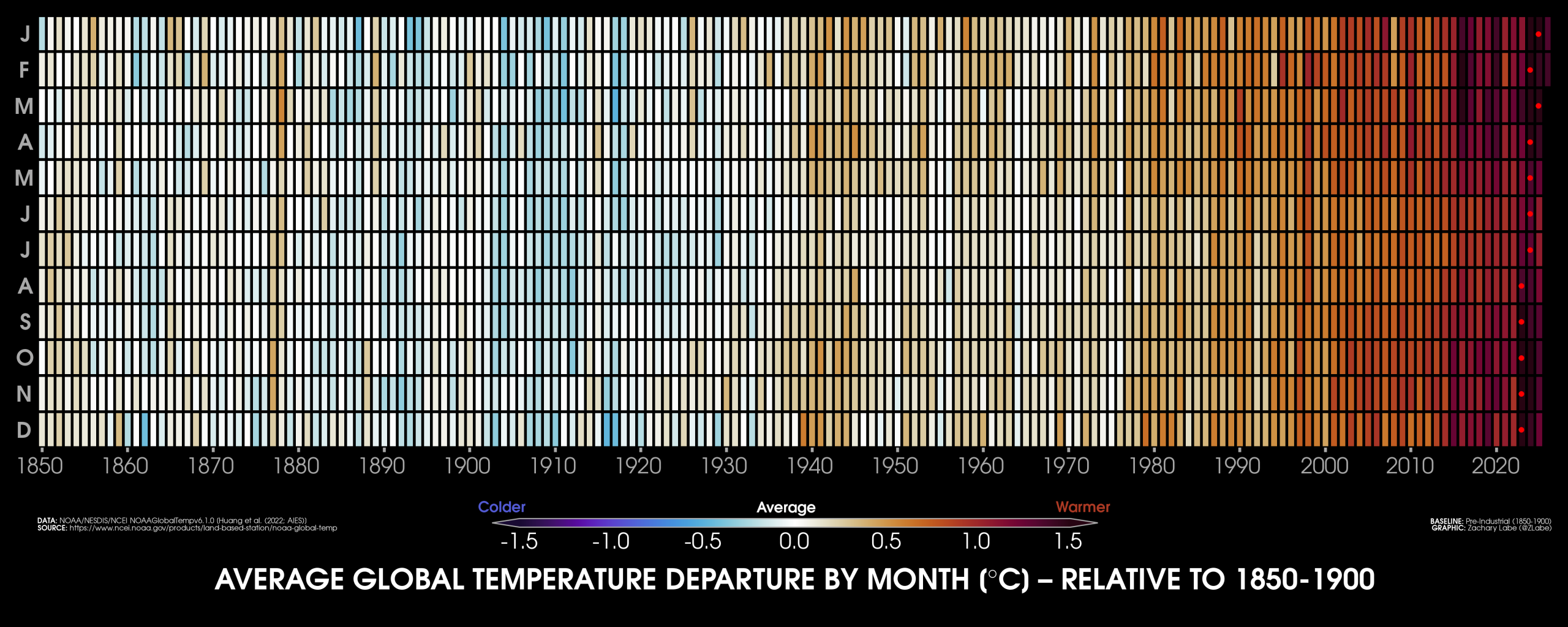
The warming trend shown above reflects the accumulation of greenhouse gases in the atmosphere from human activities, including fossil fuel combustion and land-use change.
The consequences are already being felt through worsening droughts, wildfires, floods, ocean warming, and increasing pressure on communities and ecosystems.
Climate change and biodiversity loss are inextricably linked.
As forests, wetlands, oceans, and other ecosystems are degraded, they become less able to store carbon, regulate water, and buffer communities from climate impacts.
Together, these interconnected crises increase the risk of ecological tipping points that may be difficult or impossible to reverse.
Reducing greenhouse gas emissions and protecting biodiversity must go hand in hand.
The SCCA advocates for transparent emissions accounting, science-based climate policy, strong environmental assessment processes, and decisions that align with BC's climate commitments.
In this Section
- Climate Action Home
- Stop Woodfibre LNG & FortisBC
- Community Carbon Tracker
- Forest Carbon & Climate
- Clean BC: 2025 Submission
- BC EAO Expedited EA Framework: 2026 Submission
Stop Woodfibre LNG
Woodfibre LNG and the FortisBC Eagle Mountain Pipeline threaten Howe Sound with increased tanker traffic, underwater noise, water pollution, flaring, work camps, and greenhouse gas emissions.
Working in partnership with My Sea to Sky, the SCCA is challenging project approvals, participating in regulatory processes, and advocating for a future that fights climate change and protects Howe Sound's recovering ecosystems.
Why Climate Action Matters
Climate change is the defining challenge of our time.
Communities across BC and the world are already experiencing the impacts of drought, wildfire, flooding, ocean warming, and biodiversity loss.
Despite legislated climate targets, governments continue to approve and subsidize new fossil fuel infrastructure, including LNG export projects that could lock in decades of additional greenhouse gas emissions.
The SCCA advocates for science-based climate policy, transparent emissions accounting, rigorous environmental assessments, and a transition away from fossil fuel expansion that is incompatible with a stable climate future.
Updates on Climate Action
Updates on the Stop Woodfibre LNG Campaign
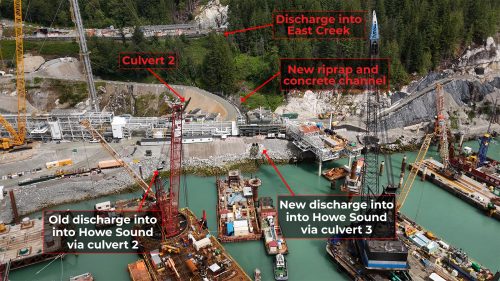
The Woodfibre site on July 3, 2026, showing the discharge point into East Creek, and the highly modified riprap and concrete channel, culverts and pipes which discharge directly into Átl’ḵa7tsem / Howe Sound 170 metres from the discharge point. This summer, we continued our fight against the Woodfibre LNG project. Partnering with My Sea to […]
Snowpack, Seasonal Weather, and Drought Risk Go Hand-in-Hand
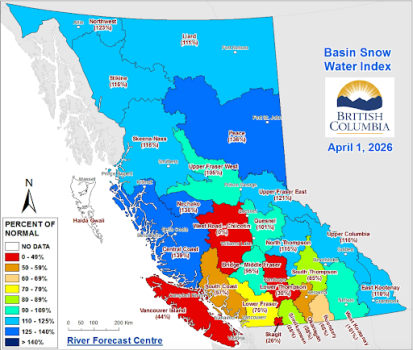
On May 1st, the Chapman Creek weather station was 41% of normal (a record across 14 years of data), and the Edwards Lake station was 33% of normal (a record across 12 years of data).
Help Solve the Water Crisis — Act Now
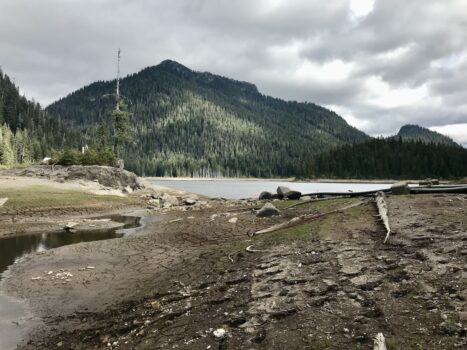
Take action now: Ask your MLA to raise industrial water rates in BC and invest in long-term watershed security.
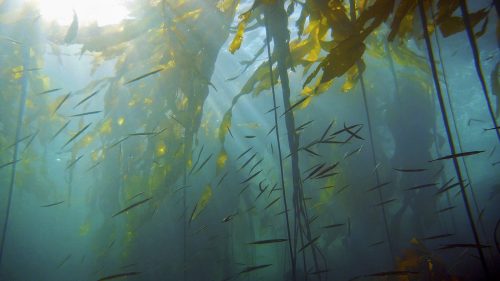
Help Create This Year’s Sunshine Coast Ocean Festival
The Sunshine Coast Ocean Festival (SCOF) is an annual, community-powered celebration of the ocean that sustains us. Coordinated by the Sunshine Coast Conservation Association (SCCA) and RhizomeUp!MEdia, in collaboration with local partners, SCOF brings together education, storytelling, science, and action to deepen our connection to the marine and nearshore ecosystems of the Sunshine Coast. As […]
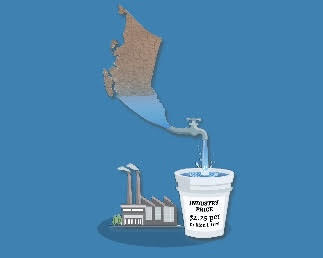
Fair Water Rates for Secure Watersheds
Budget 2026 Update: The Work Continues Since publishing this post, the provincial budget has been released. While the BC government has acknowledged the need to generate new revenue, Budget 2026 did not deliver meaningful new investment in watershed security, and industrial water rates remain unchanged. At a time when climate impacts are intensifying, and communities […]
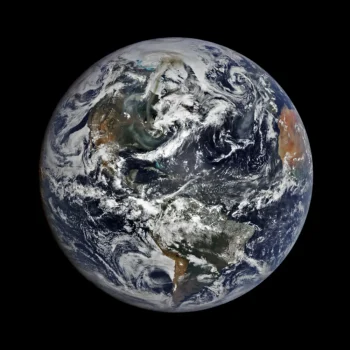
Federal Bill C-15: Buried Clauses Erode Environmental Protections
Environmental laws are the backbone of conservation. We need environmental laws because ecosystems collapse, species disappear, and communities are harmed when decisions are made without science, accountability, or limits. That is why the Sunshine Coast Conservation Association (SCCA), alongside environmental organizations and democracy advocates across Canada, is raising the alarm about dangerous clauses buried deep […]

Your Support Matters: Protecting the Sunshine Coast for Generations to Come
If you love the Sunshine Coast — its forests, watersheds, shorelines, wildlife, and wild places — this is your invitation to help protect what makes this region extraordinary. DONATE HERE All donations are tax-receiptable. At a time when ecosystems face growing pressure from climate change, industrial development, and weakening environmental safeguards, the Sunshine Coast Conservation […]
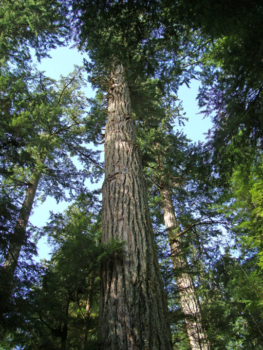
Biodiversity Law Still Missing, Five Years Later
September 11, 2025, marked the five-year anniversary of the Old Growth Strategic Review (OGSR), the landmark report that called on the Province to make ecosystem health and biodiversity the overarching priority in all land-use decisions. At the time, the government committed to implementing the OGSR recommendations “in full.” Yet five years on, the promised Biodiversity […]
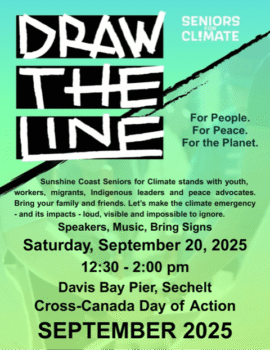
Draw The Line: For People. For Peace. For the Planet.
A Message from Sunshine Coast Seniors for Climate Sunshine Coast Seniors for Climate invites you, your family, friends and workmates to join us on Saturday, September 20th, from 12:30 – 2:00 pm at the Davis Bay Pier, in Sechelt, to hear speakers, raise your voice in song and show passing Sunshine Coasters that you care […]